
31 October 1994 - Eagle Flight 4184
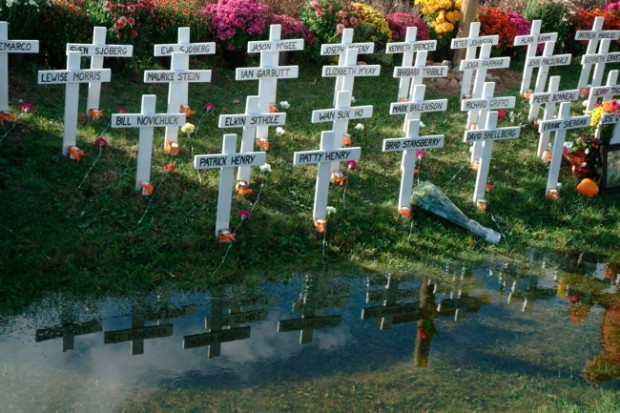
American Eagle Flight 4184 was a regional airline flight that crashed after flying into known icing conditions on Halloween, October 31, 1994. Control was lost and all aboard were killed.
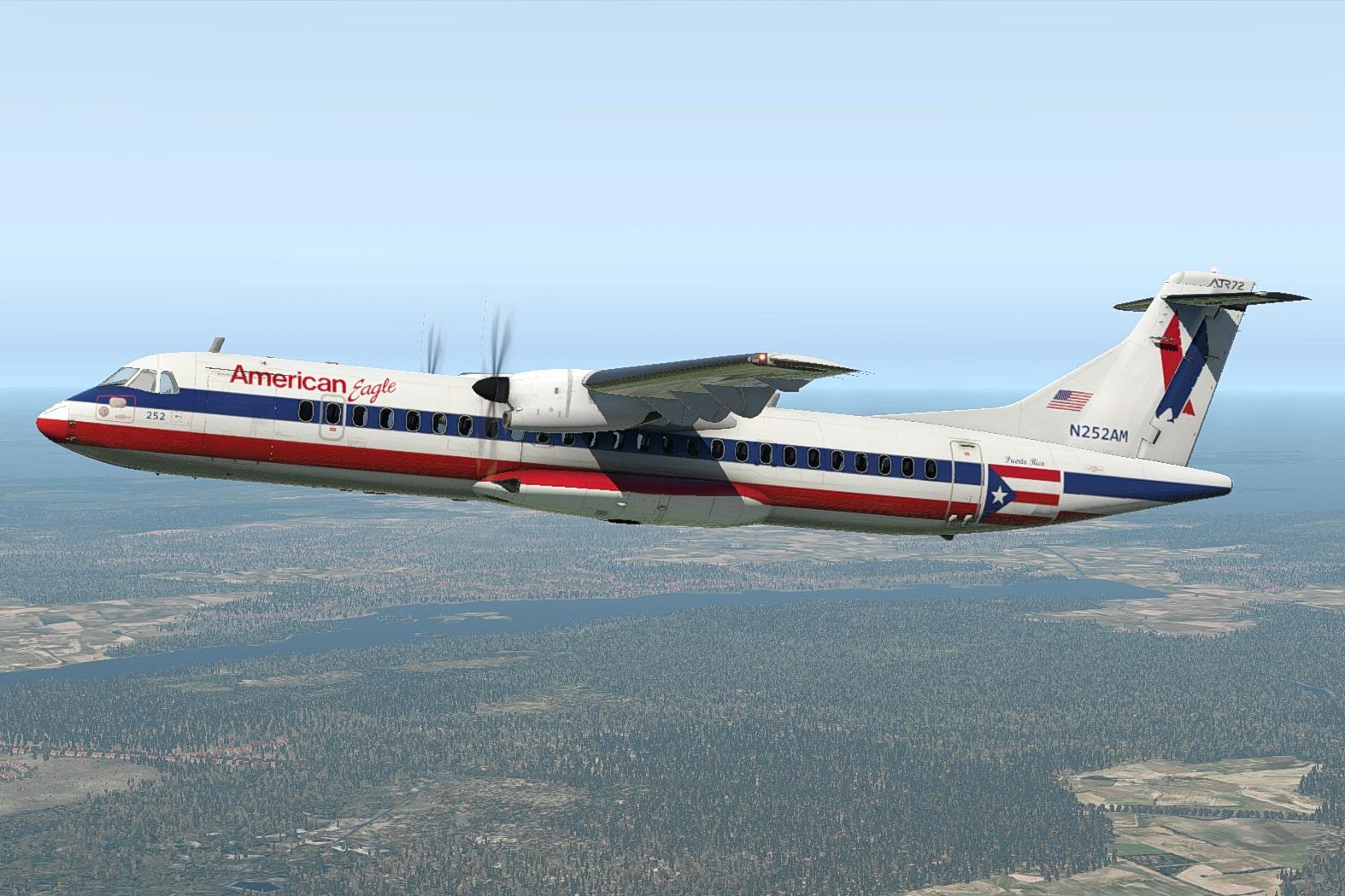
Flight 4184, registration N401AM, was an ATR 72-212 operated by Simmons Airlines on behalf of American Eagle, scheduled to depart the gate in Indianapolis at 14.10h; however, due to a change in the traffic flow because of deteriorating weather conditions at destination Chicago-O'Hare, the flight left the gate at 14.14h and was held on the ground for 42 minutes before receiving an IFR clearance to O'Hare.
At 14.55h, the controller cleared flight 4184 for takeoff. The aircraft climbed to an enroute altitude of 16,300 feet. At 15.13h, flight 4184 began the descent to 10,000 feet. During the descent, the FDR recorded the activation of the Level III airframe deicing system. At 15.18h, shortly after flight 4184 leveled off at 10,000 feet, the crew received a clearance to enter a holding pattern near the LUCIT intersection and they were told to expect further clearance at 15.45h, which was revised to 16.00h at 15.38h.
Three minutes later the Level III airframe deicing system activated again. At 15.56h, the controller contacted flight 4184 and instructed the flight crew to descend to 8,000 feet. The engine power was reduced to the flight idle position, the propeller speed was 86 percent, and the autopilot remained engaged in the vertical speed (VS) and heading select (HDG SEL) modes.
At 15.57:21h, as the airplane was descending in a 15-degree right-wing-down attitude at 186 KIAS, the sound of the flap overspeed warning was recorded on the CVR. The crew selected flaps from 15 to zero degrees and the AOA and pitch attitude began to increase. At 15.57:33, as the airplane was descending through 9,130 feet, the AOA increased through 5 degrees, and the ailerons began deflecting to a right-wing-down position. About 1/2 second later, the ailerons rapidly deflected to 13.43 degrees right-wing-down, the autopilot disconnected. The airplane rolled rapidly to the right, and the pitch attitude and AOA began to decrease. Within several seconds of the initial aileron and roll excursion, the AOA decreased through 3.5 degrees, the ailerons moved to a nearly neutral position, and the airplane stopped rolling at 77 degrees right-wing-down. The airplane then began to roll to the left toward a wings-level attitude, the elevator began moving in a nose-up direction, the AOA began increasing, and the pitch attitude stopped at approximately 15 degrees nose down.
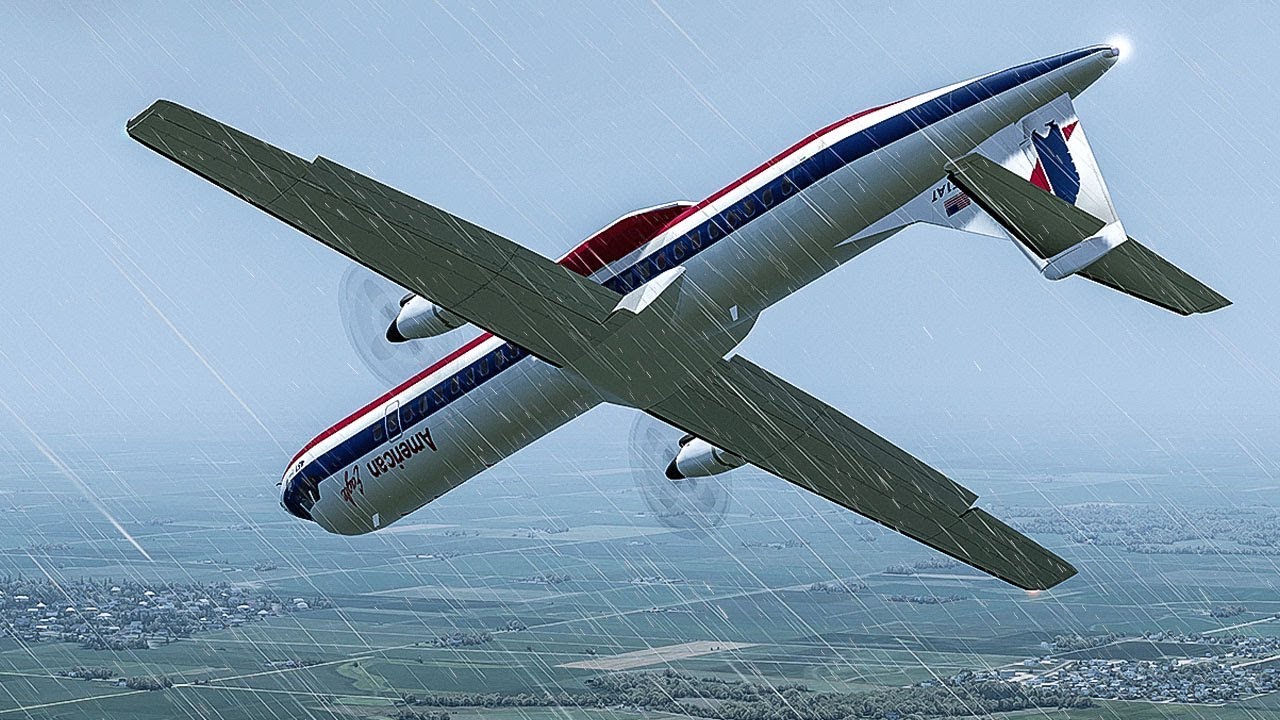
At 15.57:38, as the airplane rolled back to the left through 59 degrees right-wing-down (towards wings level), the AOA increased again through 5 degrees and the ailerons again deflected rapidly to a right-wing-down position. The captain's nose-up control column force exceeded 22 pounds, and the airplane rolled rapidly to the right, at a rate in excess of 50 degrees per second. The captain's nose-up control column force decreased below 22 pounds as the airplane rolled through 120 degrees, and the first officer's nose-up control column force exceeded 22 pounds just after the airplane rolled through the inverted position (180 degrees). Nose-up elevator inputs were indicated on the FDR throughout the roll, and the AOA increased when nose-up elevator increased. At 15.57:45 the airplane rolled through the wings-level attitude (completion of first full roll). The nose-up elevator and AOA then decreased rapidly, the ailerons immediately deflected to 6 degrees left-wing-down and then stabilized at about 1 degree right-wing-down, and the airplane stopped rolling at 144 degrees right wing down.
At 15.57:48, as the airplane began rolling left, back towards wings level, the airspeed increased through 260 knots, the pitch attitude decreased through 60 degrees nose down, normal acceleration fluctuated between 2.0 and 2.5 G, and the altitude decreased through 6,000 feet. At 15.57:51, as the roll attitude passed through 90 degrees, continuing towards wings level, the captain applied more than 22 pounds of nose-up control column force, the elevator position increased to about 3 degrees nose up, pitch attitude stopped decreasing at 73 degrees nose down, the airspeed increased through 300 KIAS, normal acceleration remained above 2 G, and the altitude decreased through 4,900 feet.
At 15.57:53, as the captain's nose-up control column force decreased below 22 pounds, the first officer's nose-up control column force again exceeded 22 pounds and the captain made the statement "nice and easy." At 15.57:55, the normal acceleration increased to over 3.0 G. Approximately 1.7 seconds later, as the altitude decreased through 1,700 feet, the elevator position and vertical acceleration began to increase rapidly. The last recorded data on the FDR occurred at an altitude of 1,682 feet (vertical speed of approximately 500 feet per second), and indicated that the airplane was at an airspeed of 375 KIAS, a pitch attitude of 38 degrees nose down with 5 degrees of nose-up elevator, and was experiencing a vertical acceleration of 3.6 G.
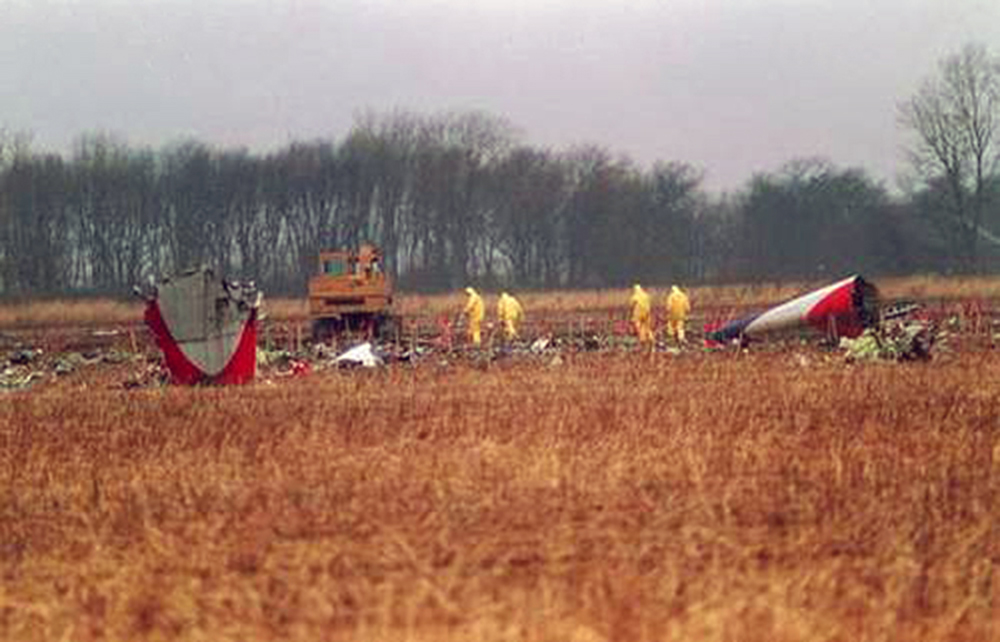
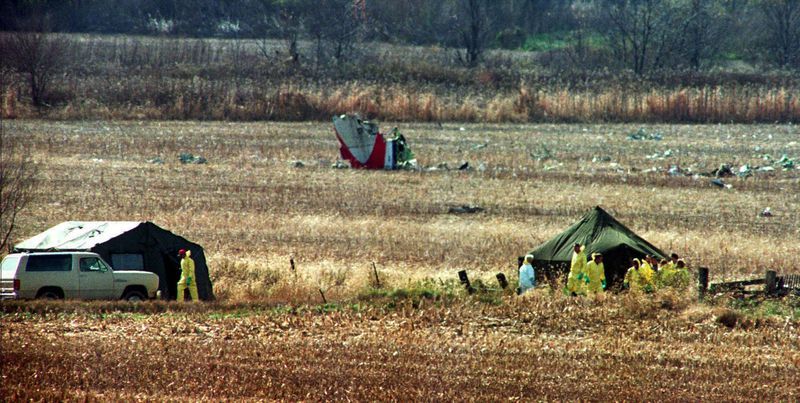
The airplane impacted a wet soybean field partially inverted, in a nose down, left-wing-low attitude.
PROBABLE CAUSE: "The loss of control, attributed to a sudden and unexpected aileron hinge moment reversal, that occurred after a ridge of ice accreted beyond the deice boots while the airplane was in a holding pattern during which it intermittently encountered supercooled cloud and drizzle/rain drops, the size and water content of which exceeded those described in the icing certification envelope. The airplane was susceptible to this loss of control, and the crew was unable to recover. Contributing to the accident were 1) the French Directorate General for Civil Aviation's (DGAC's) inadequate oversight of the ATR 42 and 72, and its failure to take the necessary corrective action to ensure continued airworthiness in icing conditions; 2) the DGAC's failure to provide the FAA with timely airworthiness information developed from previous ATR incidents and accidents in icing conditions, 3) the Federal Aviation Administration's (FAA's) failure to ensure that aircraft icing certification requirements, operational requirements for flight into icing conditions, and FAA published aircraft icing information adequately accounted for the hazards that can result from flight in freezing rain, 4) the FAA's inadequate oversight of the ATR 42 and 72 to ensure continued airworthiness in icing conditions; and 5) ATR's inadequate response to the continued occurrence of ATR 42 icing/roll upsets which, in conjunction with information learned about aileron control difficulties during the certification and development of the ATR 42 and 72, should have prompted additional research, and the creation of updated airplane flight manuals, flight crew operating manuals and training programs related to operation of the ATR 42 and 72 in such icing conditions. "
Transcript of the Cockpit Voice Recorder (CVR)
Legenda:
HOT: Crewmember hot microphone voice or sound source
RDO: Radio transmission from accident aircraft
CAM: Cockpit area microphone voice or sound source
INT: Transmissions over aircraft interphone system
CTR: Radio transmission from Chicago Center
AEC: Radio transmission from American Eagle Chicago Operations Control
KW17: Radio transmission from KIWI flight seventeen.
-B: Sounds heard only through both pilots' hot microphone systems
-1: Voice identified as Pilot-in-Command (PIC)
-2: Voice identified as Co-Pilot
-3: Voice identified as 1st female Flight Attendant
-4: Voice identified as 2nd female Flight Attendant
-?: Voice unidentified
*: Unintelligible word
@: Non pertinent word
#: Expletive
%: Break in continuity
( ): Questionable insertion
[ ]: Editorial insertion
....: Pause
Note 1: Times are expressed in central standard time (CST).
Note 2: Non pertinent conversation where noted refers to conversation that does not directly concern the operation, control, or condition of the aircraft, the effect of which will be considered along with other facts during the analysis of flight crew performance.
| 1551: 22 | INT- 4 | OK, well here. Orlando wants to talk to you. |
| 1551: 24 | INT- 2 | Orlando does? |
| 1551: 35 | INT- 2 | hello. |
| 1551: 39 | INT- 1 | hey bro. |
| 1551: 39 | INT- 2 | yeah. |
| 1551: 40 | INT- 1 | gettin' busy with the ladies back here. |
| 1551: 41 | INT- 2 | oh. |
| 1551: 43 | INT- 4 | [sound of snicker] |
| 1551: 45 | INT- 1 | yeah, so if so if I don't make it up there within the next say, fifteen or twenty minutes you know why. |
| 1551: 49 | INT- 2 | OK. |
| 1551: 50 | INT- 1 | OK. |
| 1551: 51 | INT- 2 | I'll uh, when we get close to touchdown I'll give you a ring. |
| 1551: 53 | INT- 1 | there you go. |
| 1551: 54 | INT- 2 | *. |
| 1551: 55 | INT- 1 | no, I'll I'll be up right now. there's somebody in the bathroom so ****. |
| 1551: 55 | CAM- | [wailing sound similar to "whooler" pitch trim movement for two seconds] |
| 1551: 59 | INT- 1 | talk to you later. |
| 1552: 00 | INT- 2 | OK. |
| 1553: 36 | KW17 | good afternoon Chicago, Kiwi Air seventeen out of twenty for eleven. |
| 1553: 42 | CTR | Kiwi Air seventeen Chicago center roger. Midway altimeter two niner seven niner. |
| 1553: 48 | CAM- | [sound of two clicks] |
| 1554: 13 | CAM- | [sound of several clicks similar to cockpit smoke door being operated] |
| 1554: 16 | CAM- 1 | we have a brand new hombre. |
| CAM- | [sound of two clicks similar to captain's seat moving laterally and forward] | |
| 1554: 25 | HOT- 2 | oh yeah. |
| 1554: 30 | CAM- | [sound of click similar to lap belt being fastened] |
| 1554: 24 | HOT- 1 | [sound similar to captain's hot microphone bumping against object] |
| 1553: 47 | KW17 | two niner seven niner, roger. |
| 1554: 38 | HOT- 2 | hello. |
| 1554: 39 | CTR | Kiwi Air seventeen, expedite your descent all the way down to eleven, please. |
| 1554: 42 | KW17 | expedite to eleven, Kiwi Air seventeen. |
| 1554: 47 | HOT- 1 | did you get any more messages from the cabbage patch? |
| 1554: 49 | HOT- 2 | no. I sent them another message saying did you get our twenty two hundred uh, out of the hold thing through. |
| 1554: 52 | CAM- | [sound of click similar to shoulder harness being fastened] |
| 1554: 55 | HOT- 1 | *. |
| 1554: 56 | HOT- 2 | you know the other mode about delays and just asked them if they got that. |
| 1555: 04 | HOT- 1 | [sound of sigh] **. |
| 1555: 04 | HOT- 2 | enough playing with that. |
| 1555: 05 | HOT- 1 | where's the uh, where's the connecting gates? did we throw those away? |
| 1555: 09 | HOT- 2 | uh, I didn't throw 'em away. |
| 1555: 12 | HOT- 1 | how do you how do you get connecting gates? |
| 1555: 14 | HOT- 2 | i- in- range one. |
| 1555: 23 | HOT- 1 | and you haven't heard any more from this chick in, this controller chick huh? |
| 1555: 26 | HOT- 2 | no, not a word. where'd it go anyway?. |
| 1555: 30 | HOT- 1 | I don't know. I must have thrown it away. |
| 1555: 32 | CTR | Kiwi Air seventeen, fly a heading zero seven zero. this is radar vectors for your descent. |
| 1555: 37 | KW17 | * Air seventeen * zero five zero. |
| 1555: 42 | HOT- 2 | we still got ice. |
| 1555: 46 | CAM- | [sound similar to paper being torn from ACARS printer] |
| 1555: 47 | HOT- 1 | here. |
| 1555: 58 | HOT- 2 | get a message? |
| 1555: 59 | HOT- 1 | you did. |
| 1556: 01 | HOT- 2 | understand a definite maybe on twenty two, release time. [sound of "ha, ha"] |
| 1556: 08 | HOT- B | [sound of beep similar to frequency change on VHF comm] |
| 1556: 11 | HOT- 1 | I'll be right back. 'K, I'm a talk to the company. |
| 1556: 14.7 | CTR | Eagle flight one eighty four, descend descend and maintain eight thousand? |
| 1556: 15.8 | RDO- 1 | Chicago, do you copy forty, one eighty four? |
| 1556: 20.1 | AEC | forty one eighty four, go ahead. |
| 1556: 21.7 - | ||
| 1556: 47.0 | RDO- 1 | yeah, we've already been talking to dispatch uh, on the ACARS but so they are aware of our delay I don't know if you guys got the word on that. we're on a hold out here uh, we got three, thirty two hundred pounds, thirty three hundred pounds of fuel. they're saying zero zero, for uh, EFC so in about another four or five minutes we'll find what the new word is. but what can you tell me about um, there's this guy concerned about his Frankfurt connection uh, do you know anything about that? |
| 1556: 24 | CAM- 5 | traffic, traffic. |
| 1556: 27.8 | CTR | Eagle flight one eighty four, descend and maintain eight thousand. |
| 1556: 31.6 | RDO- 2 | down to eight thousand. Eagle flight one eighty four. |
| 1556: 38.3 | CAM- | [wailing sound similar to "whooler" pitch trim movement] |
| 1556: 44.9 | CTR | Eagle flight one eighty four uh, should be about ten minutes uh, till you're cleared in. |
| 1556: 48.3 | AEC | uh, I can double check on that uh, yeah. just sent a message to dispatch to see if you were in a hold. copy thirty on the fuel and estimated out time on the hour. and, did you have that uh, Frankfurt flight number by any chance? |
| 1556: 50.1 | RDO- 2 | thank you. |
| 1556: 53.1 | HOT- 2 | they say ten more minutes. |
| 1557: 01.5 | CTR | Kiwi Air seventeen, fly a heading of three six zero. |
| 1557: 02.0 | RDO- 1 | um, no I sure don't but I pulled up connecting gates out of the ACARS and is says it's going out of K five if that helps you any at all. |
| 1557: 05.0 | KW17 | Kiwi Air seventeen, heading three six zero. |
| 1557: 07 | [ sound of light tapping heard on first officer channel ] | |
| 1557: 08.8 | AEC | let me check. |
| 1557: 16.3 | HOT- 1 | are we out of the hold? |
| 1557: 17.3 | HOT- 2 | uh, no, we're just goin' to eight thousand. |
| 1557: 19.4 | HOT- 1 | OK. |
| 1557: 20.0 | HOT- 2 | and uh, ten more minutes she said .... |
| 1557: 22.1 | CAM- | [sound of repeating beeps similar to overspeed warning starts and continues for 4.6 seconds] |
| 1557: 23.3 | HOT- 2 | ... oop. |
| 1557: 24.7 | CTR | Kiwi Air seventeen, descend and maintain six thousand. |
| 1557: 26.2 | HOT- 1 | we, I knew we'd do that. |
| 1557: 27.4 | HOT- 2 | I's trying to keep it at one eighty. |
| 1557: 28.2 | KW17 | Kiwi Air seventeen, eleven point five for six. |
| 1557: 29.2 | HOT- 2 | [ramping repetitive thud sound] |
| 1557: 28.9 | HOT- B | [wailing sound for 1.2 seconds similar to "whooler" pitch trim movement] |
| 1557: 29.9 | HOT- 1 | oh. |
| 1557: 31.2 | HOT- B | [wailing sound for 1.7 seconds similar to "whooler" pitch trim movement] |
| 1557: 32.8 | HOT- 2 | oops, #. |
| 1557: 33.0 | CAM- | [sound of three thumps followed by rattling] |
| 1557: 33.5 | CAM- | [sound of three sets of repetitive rapid triple chirps similar to auto- pilot disconnect warning lasting 1.09 seconds] |
| 1557: 33.8 | HOT- 2 | #. |
| 1557: 35.2 | CAM- | [single horn similar to altitude alert signal] |
| 1557: 35.6 | CTR | Kiwi Air seventeen, direct Chicago Heights, direct Midway. |
| 1557: 36.9 | HOT- ? | OK |
| 1557: 37.0 | HOT- B | [intermittent heavy irregular breathing starts and continues to end of recording] |
| 1557: 39.0 | KW17 | direct the Heights direct Midway, Kiwi Air seventeen. |
| 1557: 38.8 | [repetitive thumping sound heard on first officers channel] | |
| 1557: 39.9 | HOT- ? | oh #. |
| 1557: 42.4 | HOT- 1 | OK. |
| 1557: 43.7 | CAM- | [single horn similar to altitude alert signal] |
| 1557: 44.0 | CAM- | [sound of "growl" starts and continues to impact] |
| 1557: 44.2 | HOT- 1 | alright man, ... |
| 1557: 45.8 | HOT- 1 | OK, mellow it out. |
| 1557: 45.8 | CAM- | [sound of repeating beeps similar to overspeed warning starts and continues to impact] |
| 1557: 46.7 | HOT- 2 | OK. |
| 1557: 47.1 | HOT- 1 | mellow it out. |
| 1557: 47.7 | HOT- 2 | OK. |
| 1557: 48.1 | HOT- 1 | auto- pilot's disengaged. |
| 1557: 49.4 | HOT- 2 | OK. |
| 1557: 52.8 | HOT- 1 | nice and easy. |
| 1557: 54.9 | CAM- 5 | terrain, whoop whoop. |
| 1557: 56.6 | HOT- 2 | aw **. |
| 1557: 56.7 | CAM- | [loud crunching sound] |
| 1557: 57.1 | ||
| END of RECORDING | ||
| END of TRANSCRIPT |
Search the database
